The narrative begins with Solomon, who succeeded David as king. Solomon’s reign is defined by two major events: his God-given wisdom and the construction of the Temple in Jerusalem. The Temple replaced the portable Tabernacle as the permanent dwelling place for God’s glory. In his dedicatory prayer, Solomon acknowledged that even a magnificent building could not contain God, yet he asked God to hear the prayers of those who turned toward it—a foreshadowing of how Jesus, the true Temple, would later provide direct access to God.
After Solomon’s death, the kingdom split into two: Israel (the Northern Kingdom) and Judah (the Southern Kingdom).
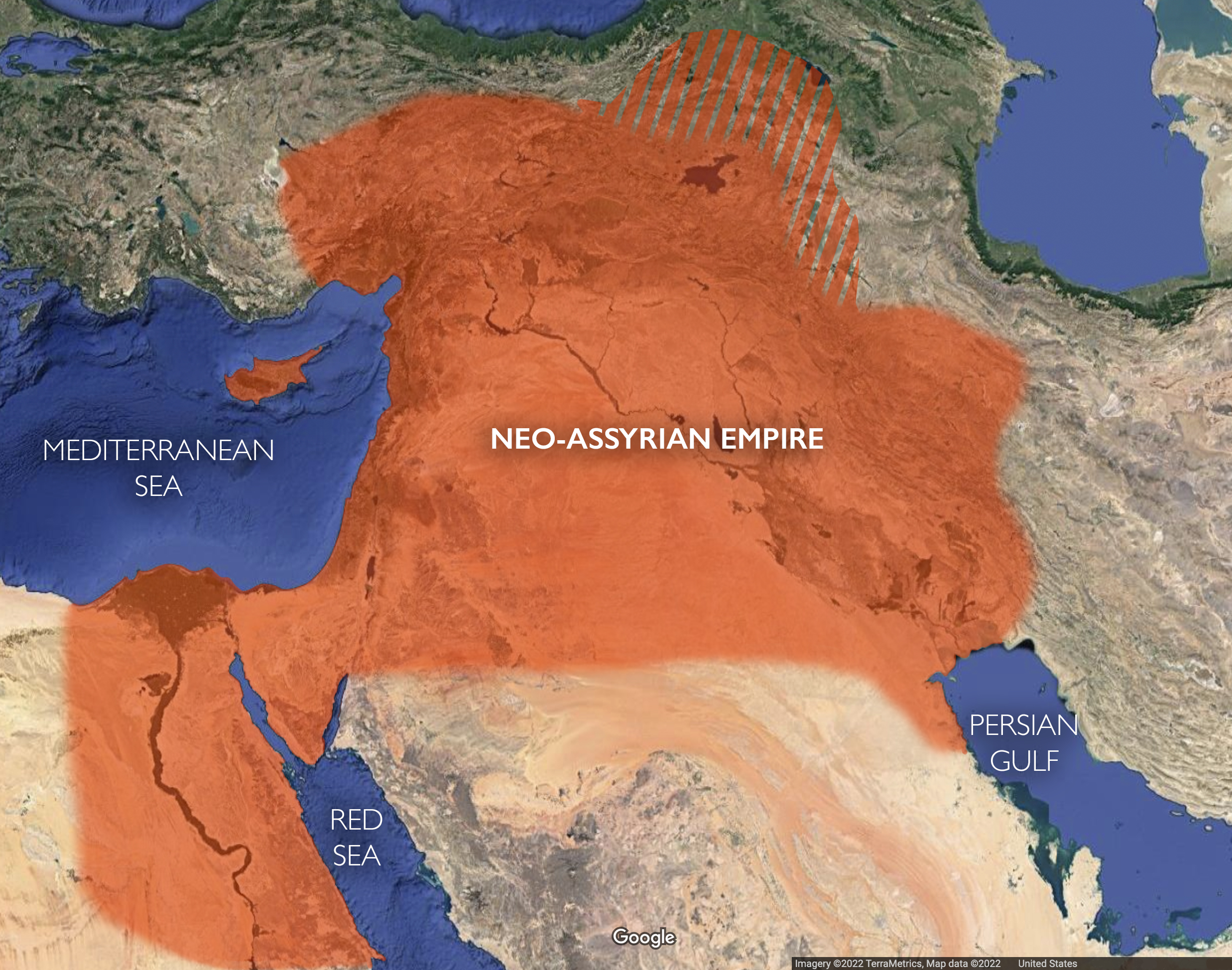
•Israel: Led by Jeroboam, the north immediately fell into idolatry. Every one of its 19 kings was "evil," leading to their eventual conquest by the Assyrians.
•Judah: The south had a mix of kings. Good kings like Hezekiah and Josiah are described as being "like David" because they prioritized the Law and led the people in repentance.
•The Gospel Connection: The failure of these earthly kings highlights the desperate need for the "Perfect King." The notes emphasize that while some kings were good, they were still sinners. This prepares us for the Gospel, where Jesus is revealed as the King of Kings who rules with perfect righteousness.
Eventually, because of persistent sin, Judah was conquered by Nebuchadnezzar and taken into the Babylonian Captivity. During this time, figures like Daniel demonstrated that God’s reign continues even when His people are in a foreign land. The story of the Fiery Furnace (Daniel 3) is a powerful "type" of Christ—where a "fourth man" who looked like the Son of God stood in the fire with His people, illustrating God’s presence in our suffering and His power to save.
Under the Persian kings Cyrus and Artaxerxes, the Jews were allowed to return to Jerusalem in three waves:
Zerubbabel rebuilt the Temple. Ezra the priest focused on rebuilding the people spiritually by teaching the Law. Nehemiah rebuilt the city walls despite intense religious persecution. Even in the book of Esther, where God’s name is never mentioned, His "behind the scenes" providence saved the Jewish people from destruction, ensuring the survival of the Messiah line.
Reason for 2-Page Text
- The 2 pages summary was chosen because it provided a nice amount of detail and Jesus integration, it's easy to follow and preferred it over the shorter summaries.