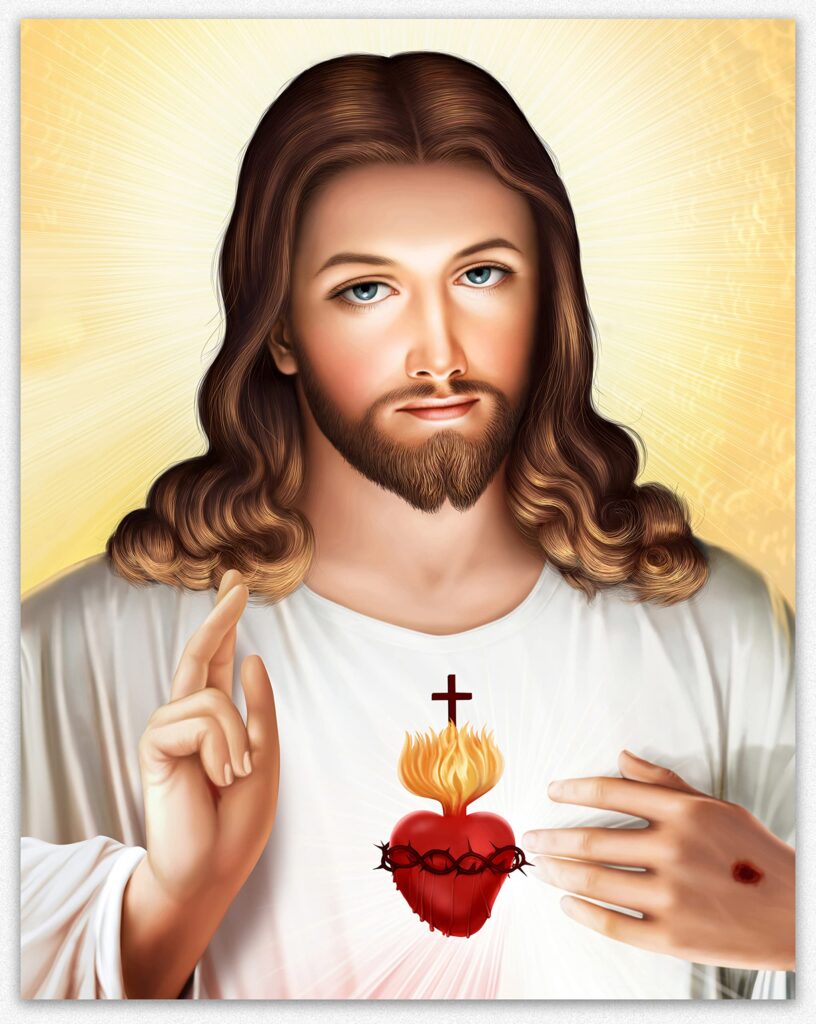
The New Testament begins with four Gospels: Matthew, Mark, Luke, and John. While they share the same story, each author wrote for a different audience to highlight a specific aspect of Jesus’ identity:
•Matthew: A tax collector who wrote primarily for a Jewish audience to prove that Jesus is the King and the fulfillment of Old Testament prophecies.
•Mark: Likely the earliest Gospel, focusing on Jesus as the Suffering Servant who came to give His life as a ransom for many.
•Luke: A doctor who provided a highly detailed, chronological account to show that Jesus is the Perfect Man and Savior for all people, including Gentiles and the marginalized.
•John: A "son of thunder" and close disciple who wrote to prove the Deity of Jesus, emphasizing that He is the Son of God and the only way to eternal life.
The Gospels record Jesus’ miraculous birth, His baptism, and His three-year ministry of teaching and healing. His message centered on the "Kingdom of God." He taught that religion is not about external rules but about a heart transformed by God’s grace.
•The Gospel Connection: Jesus lived the life of perfect obedience to the Law that no other human could achieve. He became the "True and Better" version of everything in the Old Testament: the true Temple, the true Priest, and the final Sacrifice.
The Passion, Resurrection, and Great Commission The climax of the Gospels is the Passion—Jesus’ arrest, trial, and crucifixion. On the cross, Jesus bore the full weight of human sin, satisfying God’s justice and demonstrating His infinite love. Three days later, His Resurrection proved His victory over death and sin. Before ascending to heaven, He gave the Great Commission, commanding His followers to make disciples of all nations.
Acts: The Gospel Goes Viral The book of Acts (also written by Luke) records the history of the early church after Jesus’ ascension.
•Pentecost: The Holy Spirit descended on the believers, empowering them to preach the Gospel in many languages.
•The Conversion of Paul: Saul, a fierce persecutor of Christians, met the risen Jesus on the road to Damascus and became Paul, the greatest missionary in history.
•The Gentile Turning Point: A major theme in Acts is that salvation is for everyone, not just the Jews. The Apostles held a council in Jerusalem to confirm that Gentiles are saved by grace through faith alone, without needing to follow the old ritual laws like circumcision.
Reason for 2-Page Text
- The 2-page summary was chosen because of the details about the Authors of the Gospels, the different styles that they wrote in, and what they wrote, and the overview of all the books and what happened was good.