Hebrews
The book of Hebrews acts as a bridge between the Old and New Testaments. While the author is technically unknown, the message is clear: Jesus is "better." The book systematically explains how Jesus is superior to the angels, superior to Moses, and superior to the Old Testament priesthood.
•The Gospel Connection: Hebrews explains that the Old Testament sacrificial system was a "shadow" of the good things to come. Because Jesus offered Himself as a perfect, once-for-all sacrifice, there is no longer a need for animal blood to cover sin. He is our Great High Priest who lives forever to intercede for us, giving us direct access to the "Throne of Grace."
James, Peter, and Jude
•James: Often called the "Proverbs of the New Testament," this letter emphasizes that "faith without works is dead." James isn't saying we are saved by works, but rather that a person truly saved by the Gospel will naturally produce "fruit"—good deeds, controlled speech, and care for the poor.
•1 & 2 Peter: Written to Christians facing intense religious persecution, Peter encourages them to stand firm. He explains that our trials are a "refining fire" for our faith. He also warns against false teachers who deny the return of Christ, reminding believers that God is patient, wanting everyone to come to repentance.
•Jude: A very short letter that urges believers to "contend for the faith." Like Peter, Jude warns that the Gospel is precious and must be protected from those who try to twist God’s grace into an excuse for sin.
1, 2, and 3 John: The Apostle John’s letters focus on the certainty of salvation. He provides "tests" for believers to know they are saved: do they love other Christians? Do they obey God’s commands? Do they believe Jesus is the Son of God? He famously writes that "God is love," and that our love for others is a response to the fact that He first loved us by sending Jesus as an atoning sacrifice for our sins.
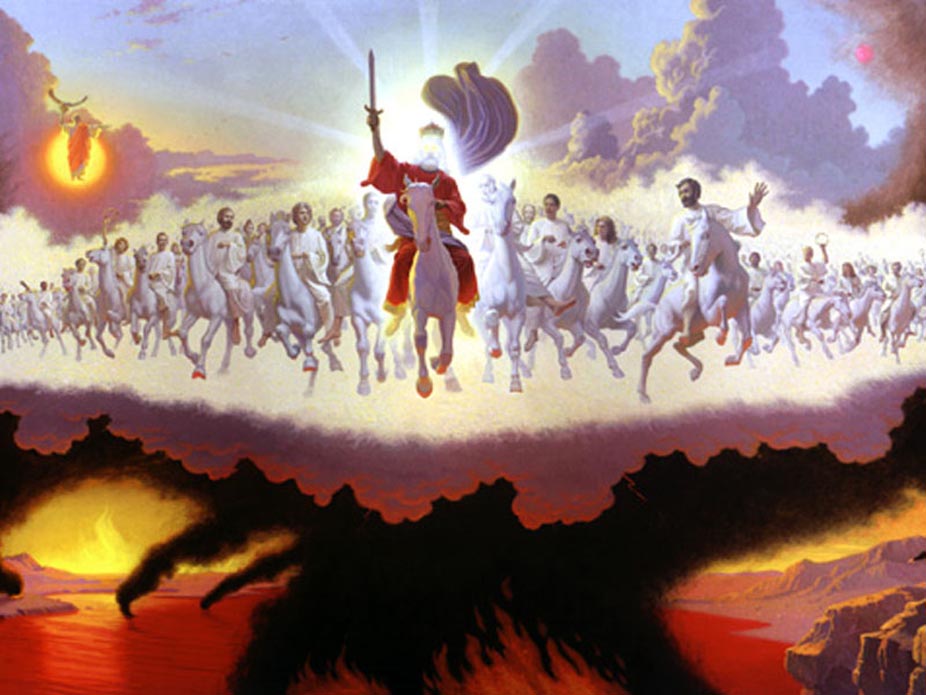
Revelation: The Bible concludes with Revelation, a book of prophecy and vision given to John while he was exiled on the island of Patmos. While it contains complex symbols, its primary message is simple: Jesus Wins.
•The book describes the final defeat of Satan, sin, and death. It ends with a vision of God dwelling perfectly with His people in a new creation where there is no more crying, pain, or death. This is the final fulfillment of the "Immanuel" (God with us) promise that started in the Garden of Eden and was made possible through the blood of the Lamb.
Reason for 2-Page Text
- The 2 page summary was chosen because of the synopsis of all of the prophecies and authors of each book. The details were very good.